
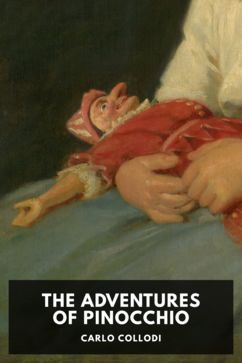
The Adventures of Pinocchio - Carlo Collodi
Most of us know the outline: a puppet, a cricket, a fairy, and a whole lot of nose-growing. But Collodi's original is a rollercoaster of misadventures that makes the cartoon look tame.
The Story
It starts with a piece of talking wood and a lonely carpenter named Geppetto. He carves a puppet he names Pinocchio, who immediately comes to life as a mischievous, ungrateful brat. Pinocchio's one dream is to stop being a puppet and become a real boy, but he has zero patience or sense. He runs away from home, ignores the good advice of the Talking Cricket (who gets squashed with a hammer early on), and sells his schoolbook for a ticket to a puppet show. He's constantly tricked by smooth talkers like the Fox and the Cat, who steal his money. He gets turned into a donkey, swallowed by a giant dogfish, and is repeatedly rescued by the beautiful Blue-Haired Fairy, who acts as a stern but loving mother figure. His journey to becoming 'real' is less a straight path and more a series of disastrous detours, each teaching him a harsh lesson about responsibility, honesty, and love.
Why You Should Read It
This book shocked me with how modern it feels. Pinocchio isn't a hero; he's a deeply flawed kid who learns through failure and pain. The world he navigates isn't magical and safe—it's full of con artists, cruel puppet masters, and real danger. The famous nose-growing scenes are almost minor compared to his other punishments. Collodi wasn't just writing a children's story; he was writing a sharp, sometimes satirical guide about the consequences of bad behavior. Beneath the fairy-tale surface, it's about the struggle to become a good person. Geppetto's unconditional love for his impossible wooden son is incredibly moving. You'll laugh at Pinocchio's stupidity, gasp at his scrapes, and cheer for him when he finally starts to get it right.
Final Verdict
Perfect for readers who love classic stories with an edge, or parents who want to share a richer, weirder version with their kids. It’s also a fascinating read for anyone interested in the original, often stranger, versions of our most famous tales. A timeless, bumpy, and ultimately beautiful ride about the messiness of growing up.
There are no legal restrictions on this material. You are welcome to share this with anyone.
Ashley Martinez
2 months agoI stumbled upon this title during my weekend research and the narrative arc keeps the reader engaged while delivering factual content. This is a solid reference for both beginners and experts.
Thomas Davis
8 months agoFinally found a version that is easy on the eyes.
David Williams
1 week agoMy first impression was quite positive because the quality of the diagrams and illustrations (if applicable) is top-notch. The insights gained here are worth every minute of reading.
Robert Wilson
1 year agoThe author provides a very nuanced critique of current methodologies.



Richard Taylor
1 year agoIt took me a while to process the complex ideas here, but the emphasis on ethics and sustainability within the topic is commendable. This adds significant depth to my understanding of the field.