
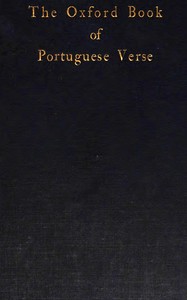
The Oxford book of Portuguese verse : XIIth century-XXth century by Bell
Imagine showing up in a bar in Lisbon, and someone’s reading a poem that talks about crying over the same ocean that enslaved people crossed. Yeah, that's this book—quiet at first, then loud in your head. The Oxford Book of Portuguese Verse (12th-20th Centuries) by Aubrey Bell feels like a legendary explorer who jammed more life and longing into one hardcover than seems possible.
The Story
Well, there's no single plot here. This is the story of a nation told in songs, letters, raves, and sobbing lines disguised as rhyme. We start in the year 1200 with troubadours and their break-up anthems—except instead of guitar chords, it's harp strings over castle walls. Then we march forward through empire-builders writing power verses, sailors scribbling farewell-to-my-lover notes in their logs, and fado singers grieving while their hearts are on boil. It includes heavyweight names like Luís de Camões (Europe’s beloved by tragedy guy), Fernando Pessoa (wrote under multiple personalities, maybe a poet, maybe a whole mind-empire), and Sophia de Mello Breyner Andresen (whose words invite you into a beach courtyard at sunset). It ends in early 1900s, but the echo goes even longer. It’s basically a ‘best friends around a fireplace’ reading–drama note by note across kings, romance, defeat, and dirty politics.
Why You Should Read It
Because you connect to human weakness, soul-cracking regret, sly pride, and full-throated joy—this book stomps those notes while you just listen. I usually turn away from anthologies—they feel like homework. But Bell didn't collect this to please professors. He found poems where love makes a person tired to the bones but they write anyway. There are war ballads so stark you want to button up your shirt tighter. I didn't cry, well, I got about 85 percent of a cry at the poem about returning to an empty homeland. And the weird humor—one author from the 1700s writes a satire about coffe pot quarrels—everything feels laid bare. Translation stays brisk, never fancy just for show. And you’ll guess every single time: why do Portuguese poets choose the sea to talk about freedom and also heartbreak? Because they built that universe into a couplet.
Final Verdict
Looks dense. Lies a bit to you. Actually this boils down to: fascinating cultural whisper out loud. Perfect for: travelers whose best friends start reciting curse-words made of gold on late night Metro rides, or the quiet person who reacts more to the soul hidden between translations. Good for writers tired of sounding surgical—hit by old fashioned beauty that means something. Not for skim-read fast books kind—you gotta let your coffee get cold, letting the phrase sink. Pure literature get-on-board flight to Portugal.
This text is dedicated to the public domain. It is now common property for all to enjoy.
George Lopez
4 months agoAfter a thorough walkthrough of the table of contents, the logic behind each conclusion is easy to follow and verify. I’ll definitely be revisiting some of these chapters again soon.
Charles Martin
1 year agoIt took me a while to process the complex ideas here, but the cross-referencing of different chapters makes it a great study tool. This exceeded my expectations in almost every way.
Nancy Garcia
11 months agoHaving read the author's previous works, the narrative arc keeps the reader engaged while delivering factual content. I'm glad I chose this over the other alternatives.




Mary Smith
1 year agoI stumbled upon this title during my weekend research and the structural organization allows for quick referencing of key points. Simple, effective, and authoritative – what else could you ask for?